Interview with Julia Wintner, Director of the Bradbury Art Museum
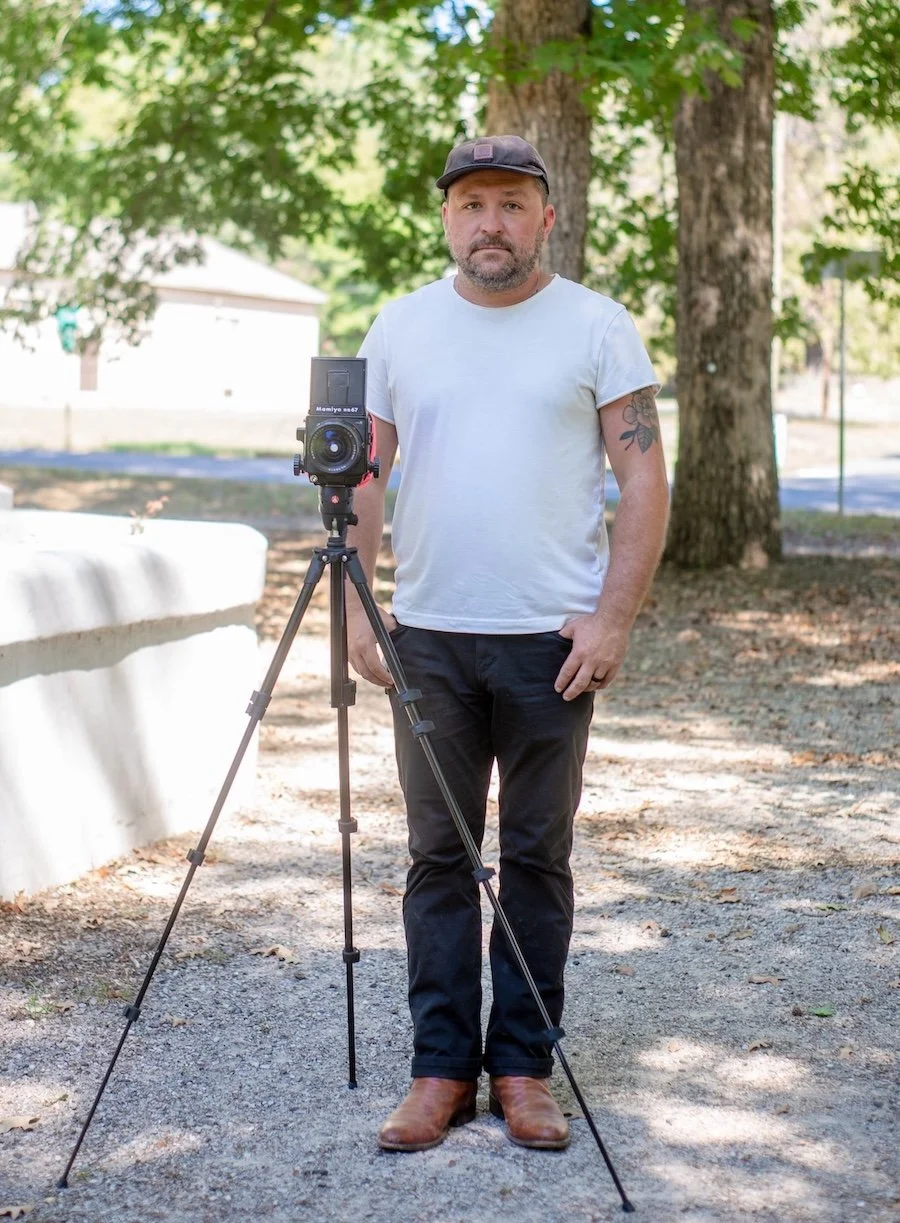
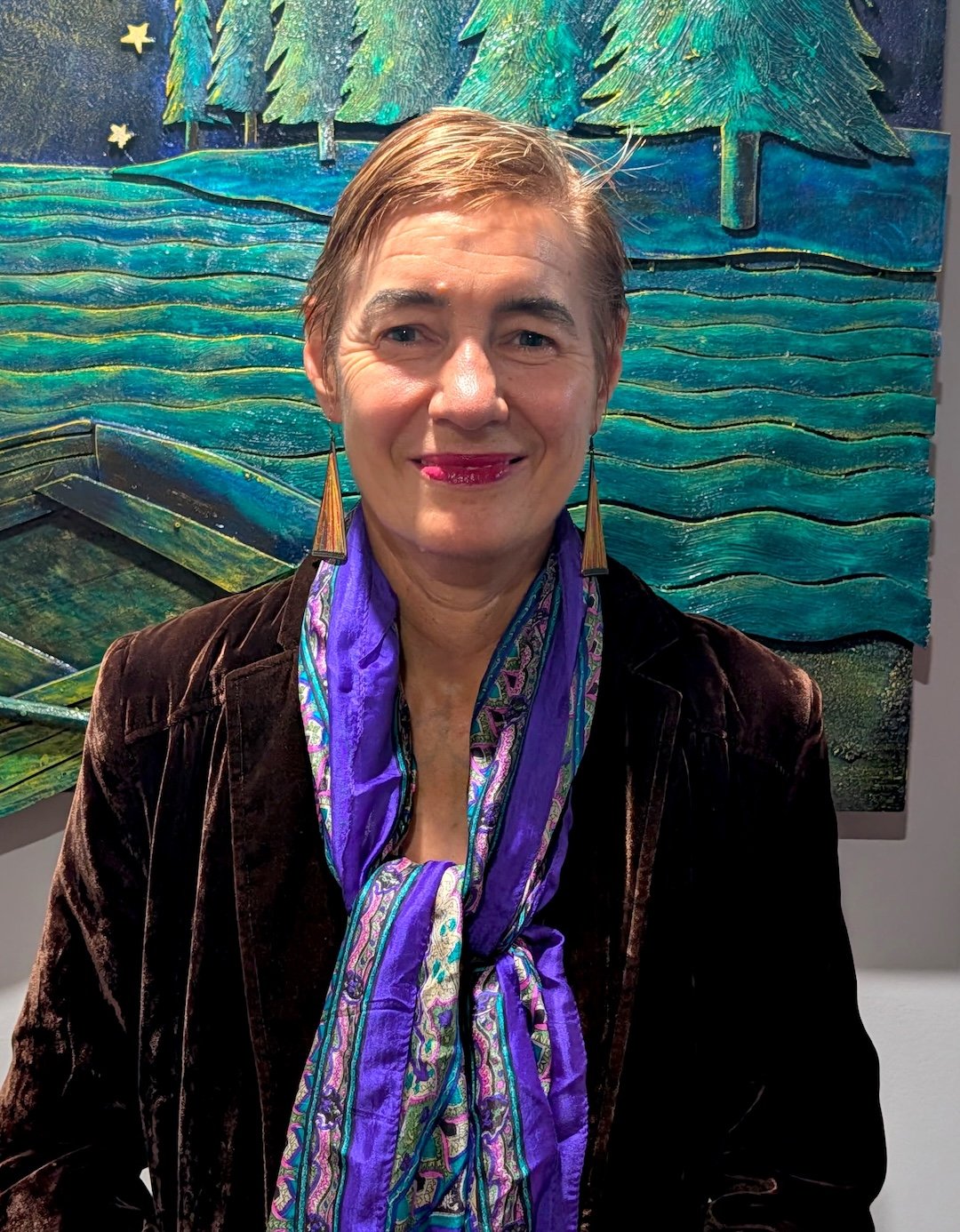
Julia Wintner is Museum Director of the Bradbury Art Museum at Arkansas State University in Jonesboro, Arkansas. She grew up in the Soviet Union and eventually earned a master’s degree in Curatorial Studies at Bard College in New York. Before joining A-State in 2025, she worked internationally in India, Thailand, and New Zealand, as well as on the East Coast of the United States. I think you will agree that Julia brings to the BAM a deep understanding of the role of a curator and director of a university museum whose mission is to provide access to the arts, community engagement, and education.
AAS: Julia, congratulations on being named Museum Director of the Bradbury Art Museum at Arkansas State University. Are you a native Arkansan?
JW: Thank you! I was appointed director of BAM in late 2025. No, I am not a native Arkansan. I sometimes joke that my GPS began rerouting in 1989, when I left the Soviet Union, and has been recalculating ever since! It has taken me across countries and cultures, including New Zealand, India, Thailand, and the United States, and eventually brought me to Jonesboro, Arkansas. Along the way, I have learned that some of the most interesting opportunities lead us to places we might never have imagined.
What attracted me to Arkansas was the opportunity to work with a remarkable collection and contribute to a university museum that serves a large region. I am particularly interested in how a museum rooted in a specific place can connect its community to national and international conversations about art. Arkansas has a fascinating and complex cultural identity, situated at the intersection of the American South, the historic Southwest, and the Mississippi Delta. But what, exactly, is the identity of Northeast Arkansas? That is a question I am still grappling with myself. How does this region understand its relationship to the Delta, to the rest of Arkansas, and to the broader American South? What makes its artistic and cultural identity distinctive?
As someone who has crossed many geographical and cultural borders, I find these questions especially compelling. I am enjoying learning about the region through its artists, collections, histories, and people. In many ways, I see my role at BAM as both a museum director and a curious newcomer: someone who can bring an outside perspective while listening carefully to the community and discovering what makes this place unique.
“Curating is about developing ideas, bringing different perspectives into conversation, and creating an experience that allows visitors to discover something they might not have encountered otherwise.”
AAS: What kinds of experience did you have in curating?
JW: I have spent much of my professional life working as a curator, museum director, and educator. I received my graduate degree in Curatorial Studies from Bard College and have held museum and gallery leadership positions at several universities, including St. John’s University in New York, Florida Atlantic University, and Eastern Connecticut State University.
During my six years at Eastern Connecticut, I organized exhibitions, developed partnerships with artists and institutions, worked with collections, and integrated museum programming into university teaching. My curatorial practice has also taken me internationally, including to India as a Fulbright scholar and to Thailand as a visiting faculty member. These experiences have shaped my understanding of how art can connect people across geographical and cultural boundaries.
Curating is about developing ideas, bringing different perspectives into conversation, and creating an experience that allows visitors to discover something they might not have encountered otherwise. It combines creativity with research and collaboration.
I am particularly interested in what happens when an exhibition becomes a catalyst for something larger: new scholarship, collaboration between academic disciplines, conversations within a community, or opportunities for students to participate in original research.
AAS: What made the directorship at BAM especially appealing to you?
JW: When I learned about the opportunity at BAM, I was drawn to its remarkable potential. BAM has a substantial permanent collection, a distinguished history of supporting printmaking through the Delta National Small Prints Exhibition, and an important role as a cultural and educational resource for Northeast Arkansas.
I was also intrigued by the opportunity to explore Arkansas's place in American art history. The museum's collection brings together regional artists and nationally and internationally recognized figures, offering possibilities for research and exhibitions that have yet to be fully explored.
I saw the directorship as an opportunity to ask new questions: What can this collection tell us about Arkansas and its connections to the wider art world? How can we make the museum more integral to university teaching? How can we bring artists, scholars, students, and community members into the same conversation?
AAS: Were you always interested in art as a child? Have you ever been a full-time artist?
“Curating taught me what happens on the other side of that intense creative process.”
JW: Art has been central to my education and professional life. I received my undergraduate degree in fine arts in Moscow, initially preparing for a career teaching art to K–12 students.
I vividly remember the rigorous training, which followed the traditions of the classical art academy. On weekends, I would arrange kitchen objects into still lifes and spend hours practicing shading and rendering volume. During the warmer months, I would take my easel outdoors to paint en plein air. This was serious, disciplined training that taught me how to look closely and understand the relationship between form, light, and space.
Although I have an artistic background, my professional path eventually led me toward curating, teaching, and museum leadership rather than a full-time studio practice. I came to feel that my talents would be more useful in serving artists and audiences than in creating new art myself.
My early artistic training taught me something fundamental: art is labor in its own right. Behind a finished work are countless hours of trial and error, revisions, experiments with materials, and difficult decisions. An artist must find a way to express an essential idea through paint, collage, or whatever materials are available. Having experienced that process myself, I have enormous respect for the dedication, persistence, and vulnerability involved in making art.
Curating taught me what happens on the other side of that intense creative process. An artwork needs to be fitted with the appropriate hardware or framing. It needs to be handled, installed, lit, researched, and interpreted. These practical considerations may seem far removed from artistic process, but they are essential to allowing a work to be seen and understood.
And then something extraordinary happens. Once an artwork enters a museum, its relationship with the world changes. It is no longer solely an expression of the artist's personal vision. It enters a public space, where it encounters new audiences, generates new interpretations, and becomes part of a larger cultural conversation. In a sense, it begins a new life. It belongs to the world.
AAS: What is the Bradbury Art Museum, and what makes it special?
Bradbury Art Museum, Arkansas State University
JW: BAM is a university art museum at A-State in Jonesboro. Free and open to the public, BAM serves both the university and the wider Northeast Arkansas community through exhibitions, education, research, and community engagement.
Our permanent collection includes approximately 2,000 works of art, with particular strengths in works on paper and printmaking. It features historical and contemporary art, including works by Arkansas artists, Evan Lindquist, Caroll Cloar and John Knudsen, and nationally and internationally recognized figures, such as Robert Rauschenberg and Salvador Dali. The collection also reflects BAM’s longstanding commitment to contemporary printmaking through the Delta National Small Prints Exhibition and its purchase awards.
What makes BAM special is its role as a teaching laboratory. Our exhibitions and permanent collection provide opportunities for students from many disciplines to study original artworks, conduct research, develop professional skills, and connect classroom learning with the world beyond campus.
AAS: What exhibitions and programs can visitors look forward to this fall?
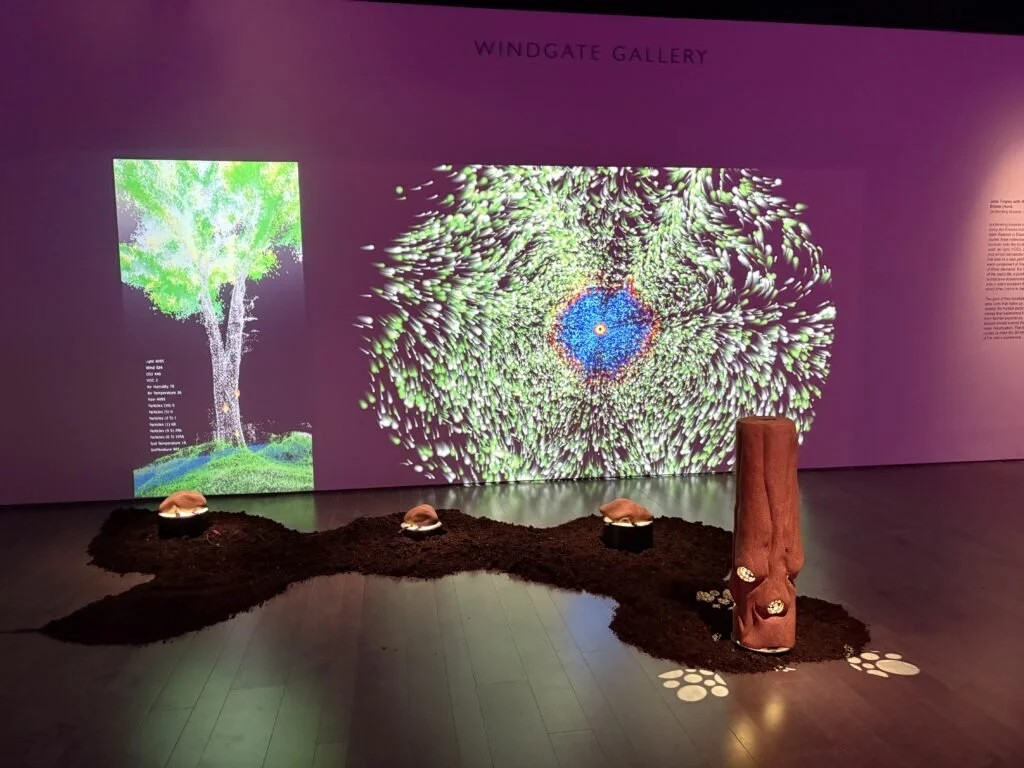
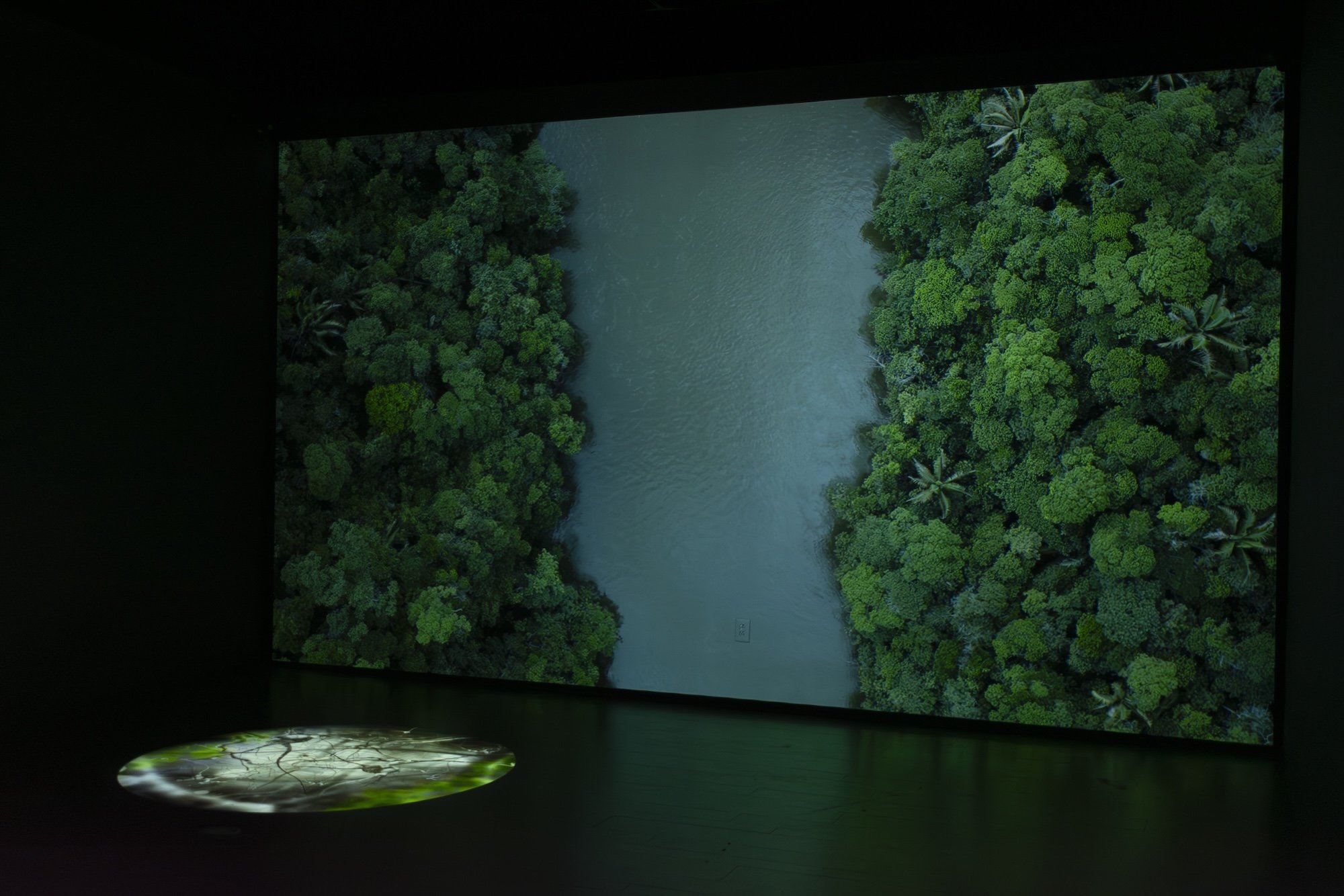
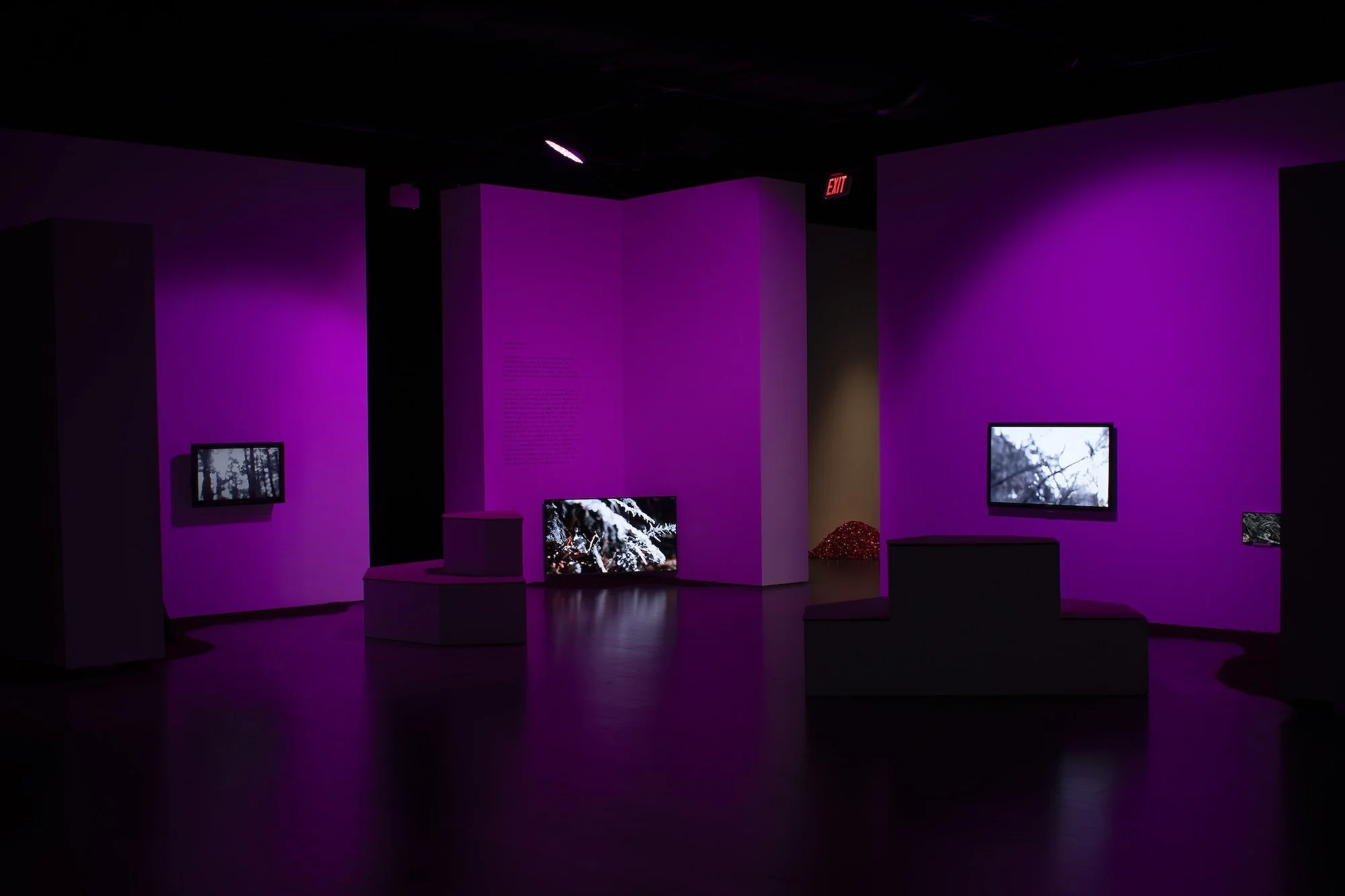
JW: We have an exciting fall season at BAM! Our current exhibition, more-than-human, explores the complex relationships among humans, nature, and technology through immersive contemporary art. The exhibition is truly international, bringing together nine Canadian and Indigenous artists and three European-based artists. They work at the intersection of art, technology, and science, exploring our relationship with the natural world and the extraordinary things that exist beyond human perception and understanding.
At a time when artificial intelligence unsettles us with its untamed power and unknown possibilities, more-than-human offers a different perspective on technology: one that helps us reconnect with the natural world. It invites us to return to our senses: to slow down, look more closely, listen more attentively, and rediscover our curiosity about the extraordinary living world around us.
On September 24, we hosted the reception with exhibition curator Jane Tingley and participating artist Lindsey French. The attendees really enjoyed Jane’s special curatorial tour of the exhibit.
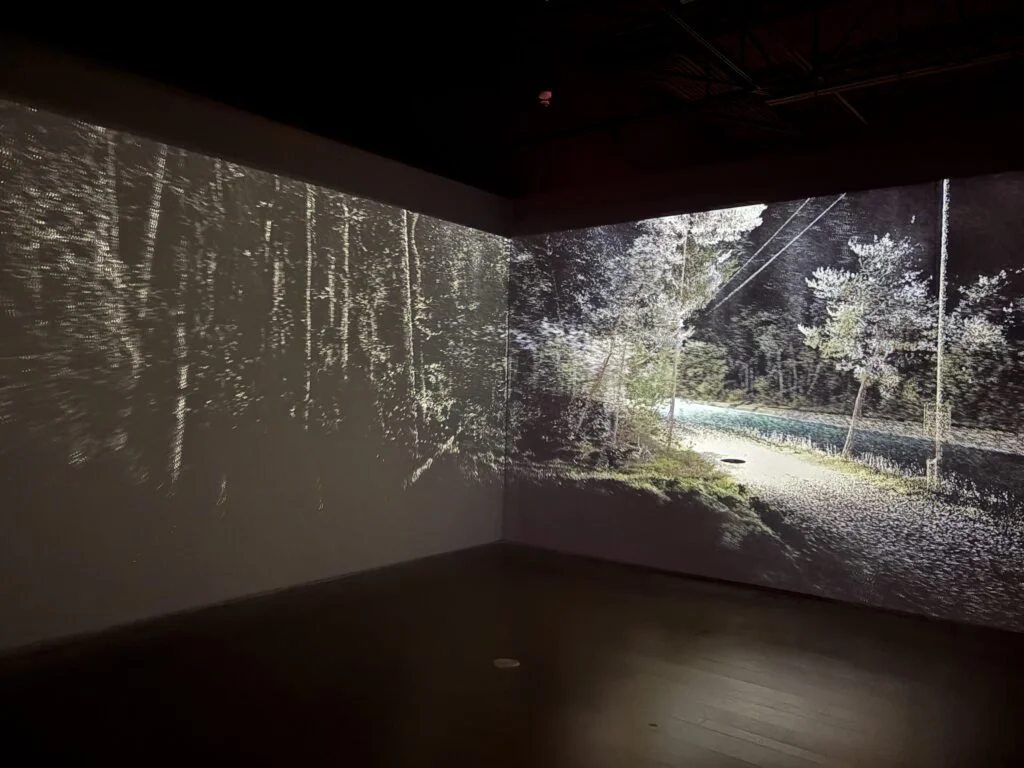
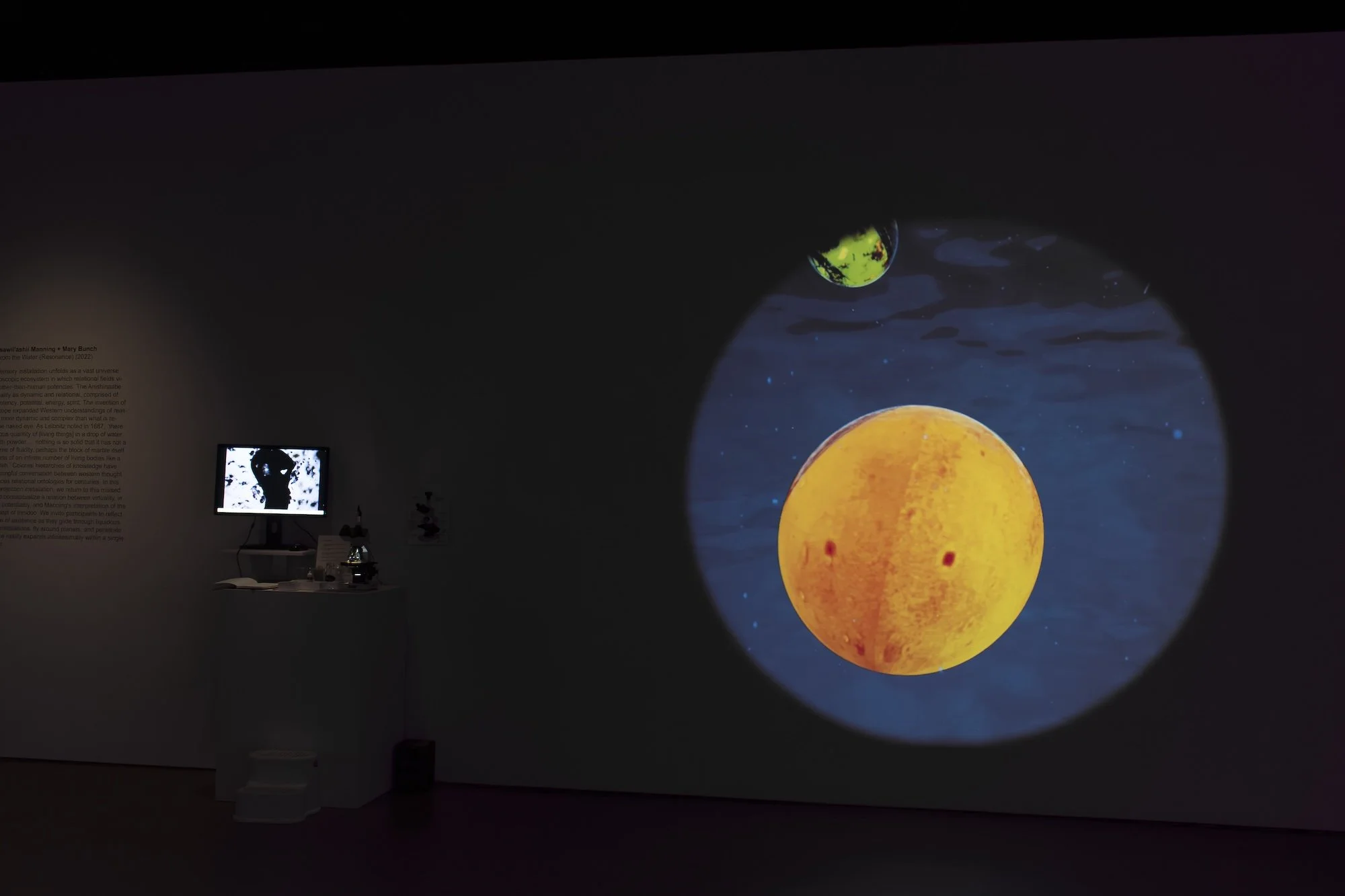
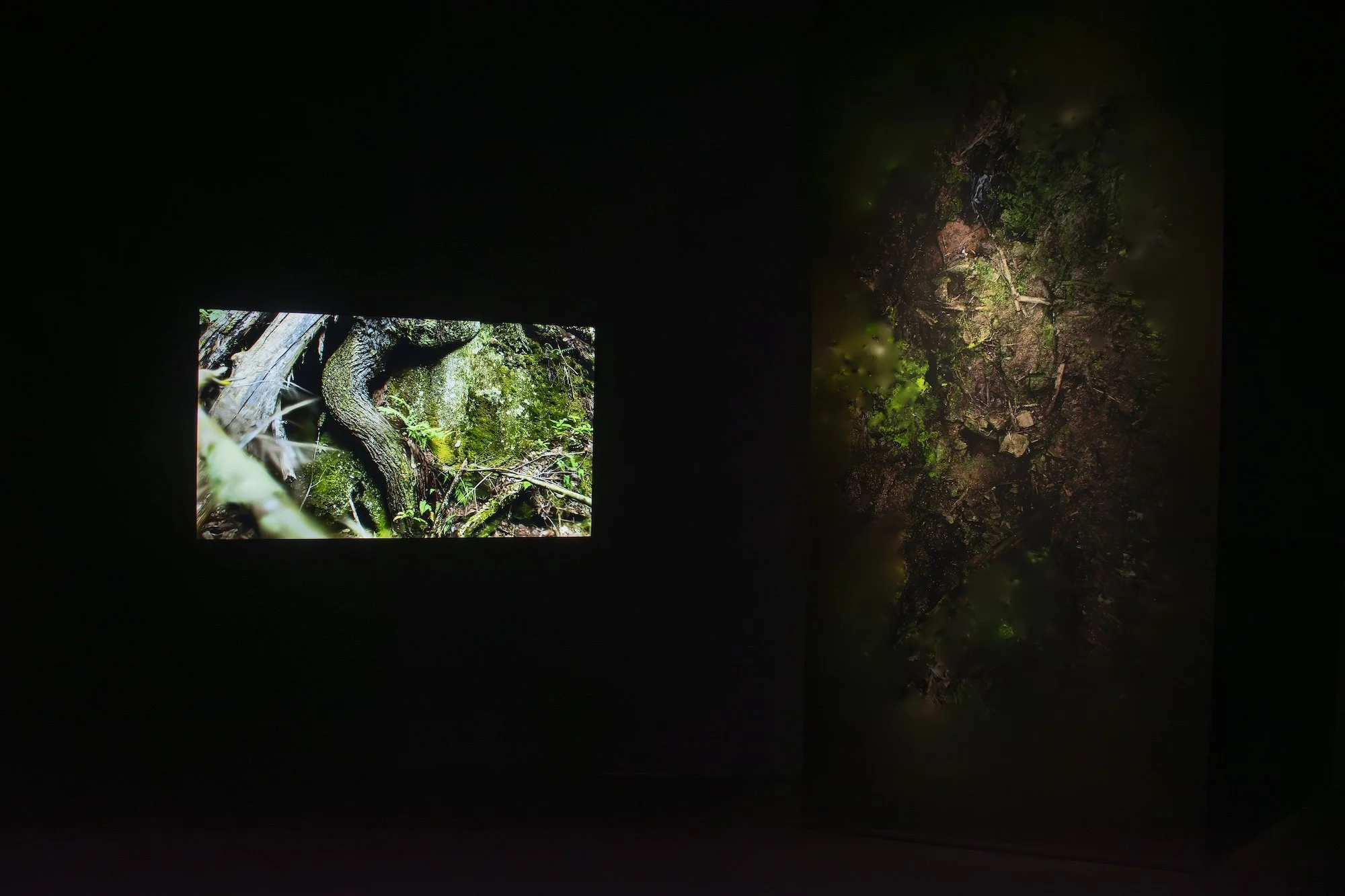
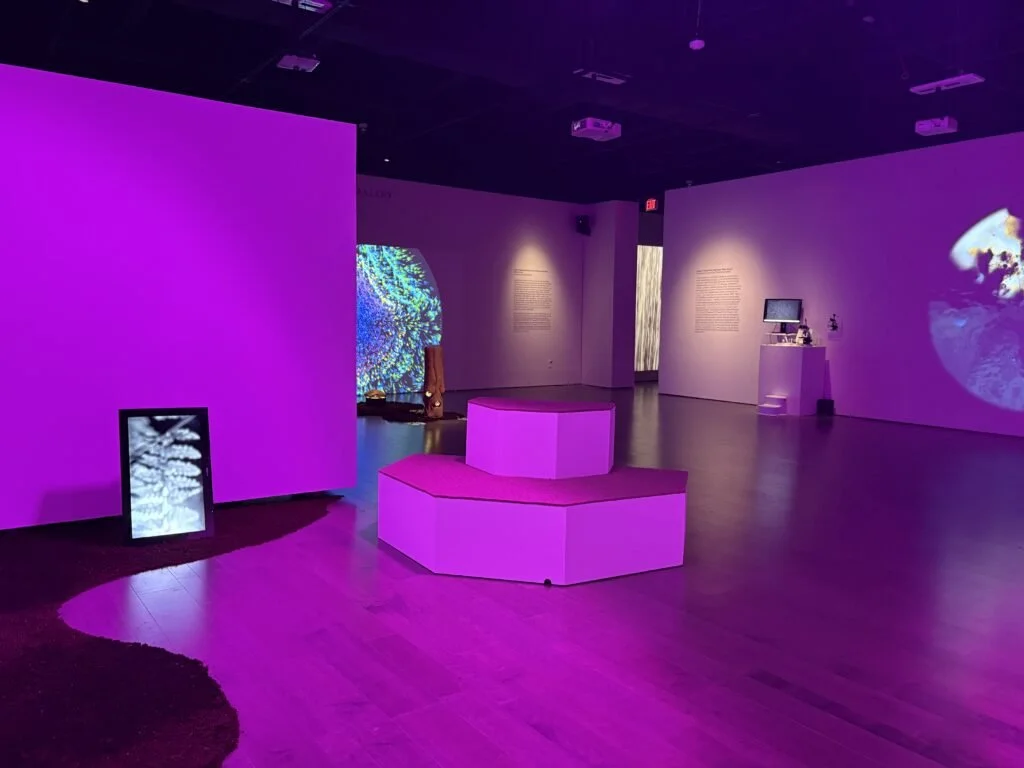
We are also presenting Félix González-Torres’s “Untitled” (L.A.), courtesy of Art Bridges Foundation. The work is installed in two locations, BAM and the new Windgate Hall of Art and Innovation, a home of our Art+Design department. This participatory installation invites visitors to take a piece of candy, offering an opportunity to reflect on love, loss, generosity, and renewal. Presenting the work in both locations creates a dialogue between two campus communities: those engaged in making art and those engaged in studying, interpreting, and experiencing it. By bringing the installation beyond the museum’s walls, we hope to encourage unexpected encounters with contemporary art and demonstrate that artistic meaning emerges through the audience participation as well as artists’ intentions. We are also developing accompanying programs that connect the artwork with conversations about well-being, memory, and community.
From October through December, BAM will present a Día de los Muertos exhibition, supported by the Arkansas Arts Council. Developed in connection with our longstanding partnership with El Centro Hispano, the exhibition will feature community participation, a collaborative ofrenda, and artist-led workshops in flower-making and sugar skull decorating.
Together, these exhibitions and programs reflect our commitment to bringing contemporary art into dialogue with the experiences, cultures, and interests of our community. We strive to make art accessible, relevant, and meaningful to everyone in our community.
AAS: So, what are some of the ways BAM seeks to expand access to art in the community?
JW: Access is at the heart of BAM’s mission. We believe that everyone, regardless of age, background, or financial circumstances, should have opportunities to experience art, express their creativity, and feel welcome in a museum. That is why admission to BAM is free and why we bring art education beyond our gallery walls.
Our INSPIRE! Program gives young artists the opportunity to exhibit their work in a professional museum, an experience that might otherwise be out of reach. This year, we are working with a record 17 schools, connecting students and teachers across the region with the Museum and A-State.
Our longstanding partnership with El Centro Hispano allows us to provide after-school art programs and develop culturally relevant activities that welcome Hispanic families and celebrate their cultural heritage. We also collaborate with Consolidated Youth Services, the Craighead County Jonesboro Public Library, and the Childhood Development Center to reach children, families, and young people through creative learning opportunities.
These partnerships help us bring art into familiar community settings, reach audiences who might not otherwise visit a museum, and make participation more accessible.
AAS: You mentioned earlier the importance of connecting with students. What are some of the opportunities for Arkansas State University art students to become involved with the Museum?
JW: BAM offers students opportunities to engage with art beyond the traditional classroom. Students can participate in internships, conduct research using our permanent collection, contribute to exhibitions, develop educational programs, and gain experience in museum operations.
Actually, we welcome students from many disciplines, including art, history, education, languages, science, communications, and business. One of my priorities as director is to strengthen BAM’s role as a teaching laboratory where students can develop practical skills and discover professional opportunities.
One of the most rewarding aspects of working at a university museum is the opportunity to involve students in this process. I want them to understand that a museum is a workplace where research, technical knowledge, collaboration, and careful decision-making come together. Through internships and hands-on projects, students can participate in collections research, exhibition development, interpretation, and public programming.
AAS: And I guess the museum space is used for faculty and student shows?
JW: Every late spring, BAM presents exhibitions featuring the work of graduating art and design students and A-State faculty. These exhibitions are particularly meaningful because they celebrate the creative life of our own university. For graduating seniors, the museum offers an opportunity to present the culmination of their studies in a professional exhibition setting, often marking an important transition from student to practicing artist or designer. The faculty exhibition offers a complementary perspective, introducing audiences to the creative research and artistic practices of the professors who teach and mentor these students. Presenting student and faculty work within the same exhibition season creates a dialogue between generations of artists and demonstrates that artistic learning is an ongoing process. It also allows the wider community to discover the remarkable creative work taking place at A-State. For me, these exhibitions embody one of BAM’s most important responsibilities as a university museum: to support emerging artists, celebrate the accomplishments of our faculty, and connect the university’s creative community with the public.
AAS: What is your vision for the future of BAM?
JW: My vision is to make the BAM an increasingly visible and dynamic center for art, education, and community life in Northeast Arkansas—a place that is deeply rooted in its region while participating in national and international conversations about art.
We are developing ambitious exhibitions, expanding partnerships, and securing grant funding to support this vision. Our National Endowment for the Arts Big Read program, centered on Joy Harjo’s poetry collection An American Sunrise, will bring together readers, students, educators, artists, and community organizations throughout the 2026–2027 academic year. Through exhibitions, discussions, and creative programs, we hope to demonstrate how literature and visual art can illuminate one another and encourage conversations across generations and disciplines.
Since education is central to our mission, we host summer art camps for children and young people and offer programs both inside and outside the museum. I want BAM to be a place where a child can discover the joy of making art, a university student can gain professional experience, and an adult visitor can encounter an unfamiliar idea or artistic perspective.
In 2027, we also hope to collaborate with A-State Heritage Sites on programming related to Ernest Hemingway and A Farewell to Arms. Hemingway wrote portions of the novel while staying at the Hemingway-Pfeiffer House in Piggott, now one of the university’s heritage sites. Our goal is to complement the literary and historical programming developed by our colleagues with a visual arts component, exploring how artists and writers have responded to themes such as war, love, memory, and the human condition. I see this as an opportunity to connect two important cultural resources of A-State and introduce their audiences to one another.
I am particularly interested in collaborations that extend beyond traditional disciplinary boundaries. A university must be a resource not only for art students but also for students studying literature, history, science, education, and many other fields. Likewise, our programs should reach beyond the campus to engage schools, families, artists, and community organizations throughout Northeast Arkansas.
AAS: What advice would you have for someone who is considering pursuing a career as a curator and perhaps even as a museum director?
JW: I would encourage aspiring curators to gain practical experience as early as possible. Internships, fellowships, and work in university museums are invaluable. Learn how to research an artwork, write a label, develop an exhibition checklist, prepare a loan agreement, and work with artists and lenders. Spend time in collections storage and learn how artworks are handled, documented, and preserved. These experiences reveal the enormous amount of work that takes place behind the scenes.
I would also advise young curators not to limit themselves to a single discipline. Some of the most exciting exhibitions emerge from conversations with historians, scientists, writers, and scholars working in entirely different fields. A curator needs to be both a specialist and an intellectually adventurous person.
Becoming a museum director requires another set of skills. You must learn how to lead people, manage budgets, raise funds, build institutional partnerships, and advocate for the museum. You also need to understand collections stewardship, museum ethics, and the responsibilities that come with caring for works of art on behalf of the public.
What I enjoy most about directing BAM is seeing connections become reality. An idea that begins in a conversation with a scholar can develop into an exhibition, bring students into original research, inspire a public program, and introduce visitors to something entirely new.
I also find enormous satisfaction in working with our staff. A museum is a collective achievement, and I am continually impressed by the dedication and resourcefulness required to bring our projects to life. Those moments remind me why museums matter. We create the conditions for discovery, but what people take away from an encounter with art is wonderfully unpredictable.