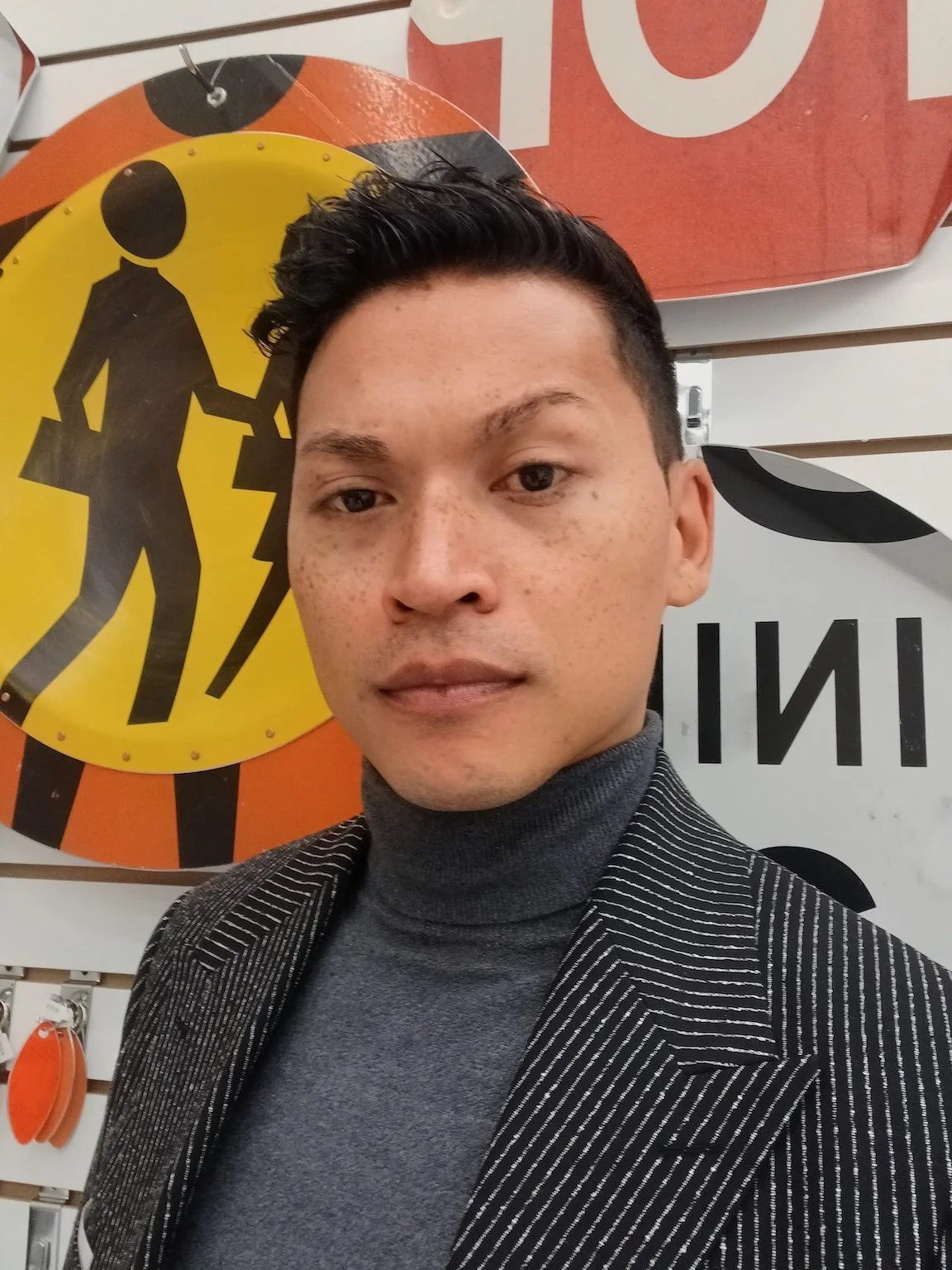
Interview with artist and AMFA Manager of Retail Operations Leon Robertson
Leon Robertson is an artist living in Little Rock and is the Manager of Retail Operations for the Arkansas Museum of Fine Arts. He has had a long career in retail following a 4-year service in the military. His creative energy is evident in the inviting AMFA Museum Store and annual AMFA Art Market, which will be held September 11-13 at the museum. More of Leon’s own art can be found at his website leonrobertson.com. (8/31/26)
AAS: Leon, where did you grow up?
LR: I was a military child, so I spent half my life overseas. I was born in Taiwan, then we moved to Panama, and then did my elementary through high school years in Germany. Then I served in the military for 4 years and spent my adult years living in Hawaii, Florida, Connecticut, Texas and now Arkansas.
AAS: What did you do in the military?
LR: Definitely nothing creative. I was in the Air Force and the job was Security Forces and Law Enforcement. Some days I guarded planes, buildings and dignitaries, and other days I did law enforcement duties. I was usually the guy at the front gate to the base or entry controller for the Pacific Headquarters building. I was stationed at Hickam Air Force Base, Hawaii, so that was amazing. I saw the best sunrises and sunsets working there.
AAS: Were you always interested in art and being creative, even as a kid?
LR: I would not say art directly. I would say being creative. As a kid, I liked to draw and make things, but it was not really an approved career by my parents. I tried being a computer programmer once (it was my dad’s suggestion) and that did not go so well. In short, that is how the Air Force decided that I would become Security Forces and Law Enforcement. There was a need for that.
Growing up, I wanted to be a creative person like Martha Stewart. The amount of creativity and confidence she showed amazed me. I learned a lot of things from reading those Martha Stewart Living magazines and watching her shows. I learned how to be resourceful, using what you have on hand, and to just try it until you figure it out. Isn't that what artists do? I learned more life skills that has directly impacted my retail career from Martha and the military than in school. I was a cake decorator, floral designer, interior decorator, event planner - all self-taught of course through her “good things.” I managed to make some money by doing those things as a side gig, and this knowledge helped me a lot throughout my retail career.
AAS: So, how did you get into retail?
LR: I was one of those kids that did not know what they wanted to be when they grew up. I wanted to travel on many lanes and not be confined to one. So, I worked in retail in the meantime, and that was what I knew when I left the military. A friend of mine was a makeup artist, and he suggested that I work in cosmetics. He figured I was an artist, and makeup is not that much different - so I did. I learned about skincare, cosmetics, and fragrances. Then one of my co-workers noticed that I enjoyed doing the display work and she suggested that I apply for a visual merchandising job at a department store called Parisian. That is where my career in visual merchandising started and took off.
AAS: What other companies have you worked for?
LR: Dillards, Nordstrom, Neiman Marcus, Crate and Barrel, and now the Museum Store at Arkansas Museum of Fine Arts. Most of my retail background was as a main floor stylist, mostly in fashion and home, and as the visual merchandising manager. The visual merchandisers are the creative team responsible for the store windows, the styling of the mannequins, the product launch displays, seasonal and holiday decor, and the installation of all events that go on in the store. My last few years at Crate & Barrel I was a General Manager for a new concept store which was amazing. So far, I have worked in retail for about 28 years and in stores ranging from 1005 to 144,000 square feet.
AAS: Before we talk about the AMFA, tell me about your own artwork.
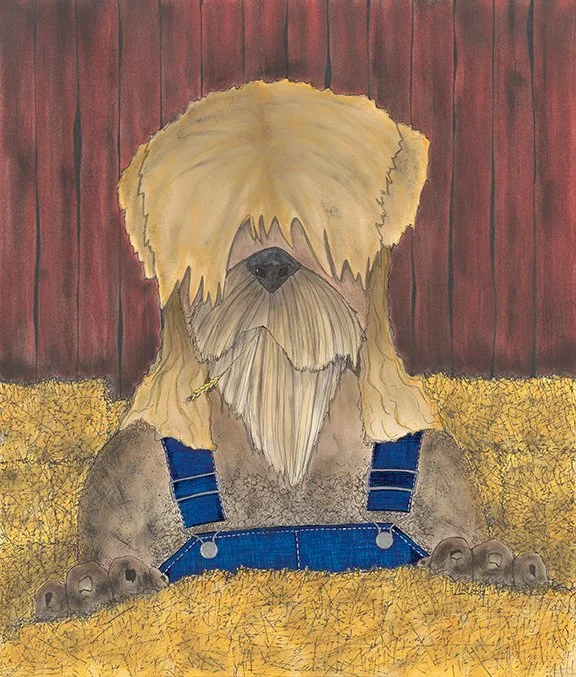
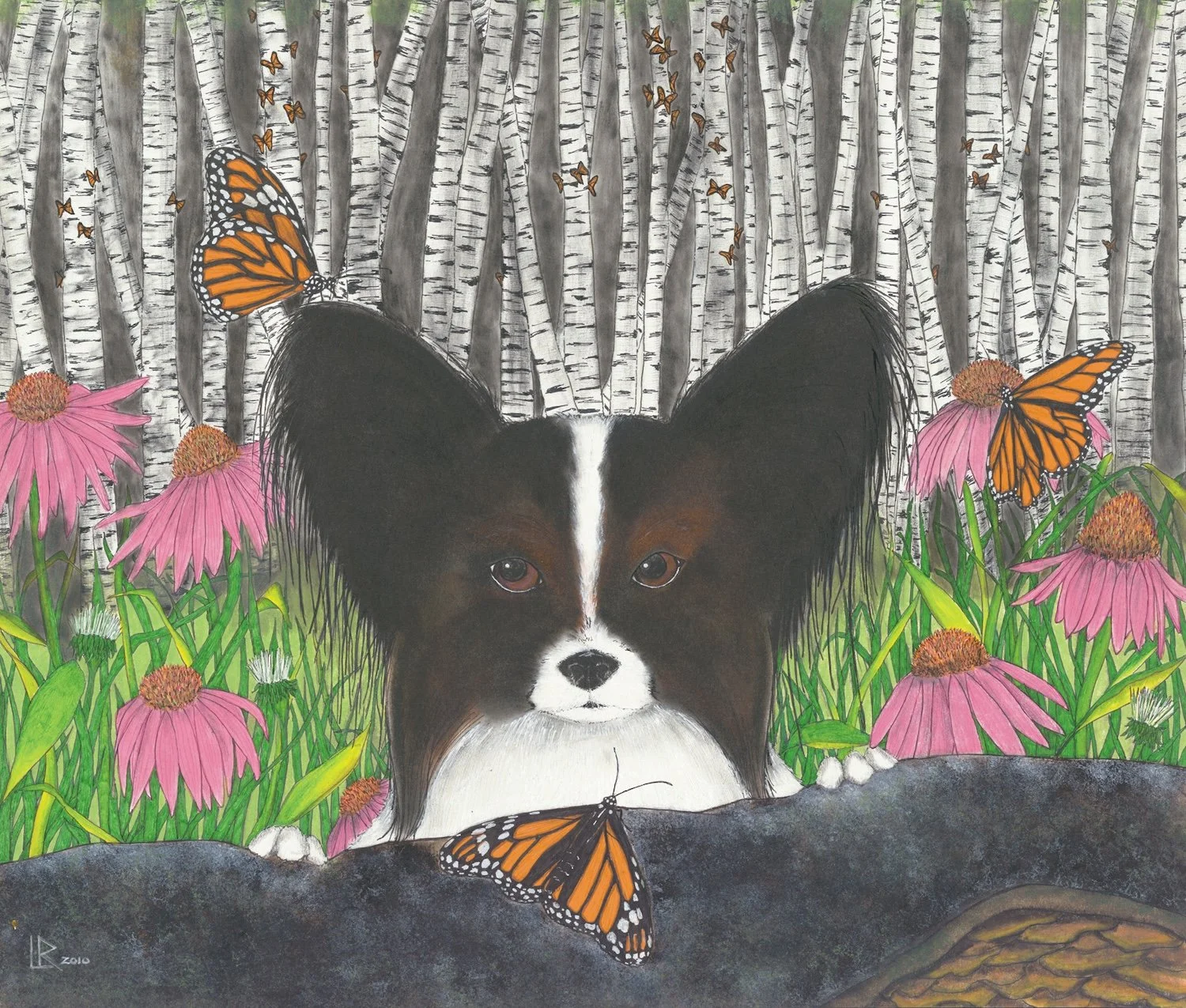
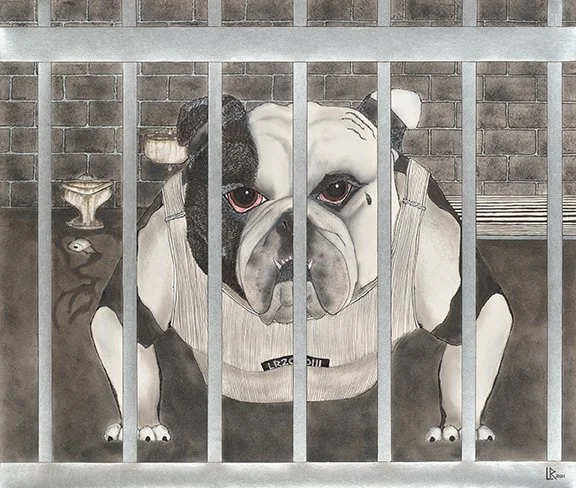
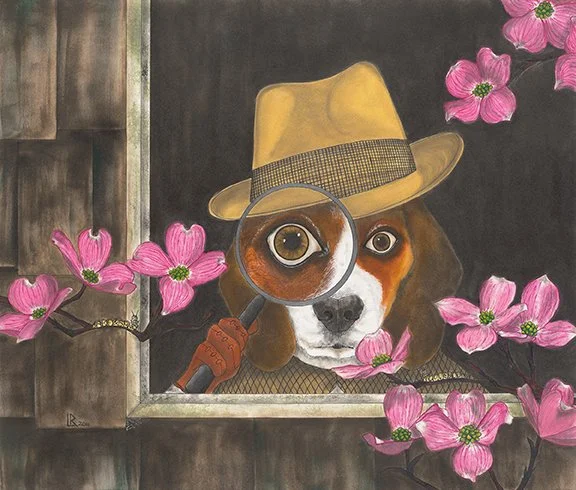
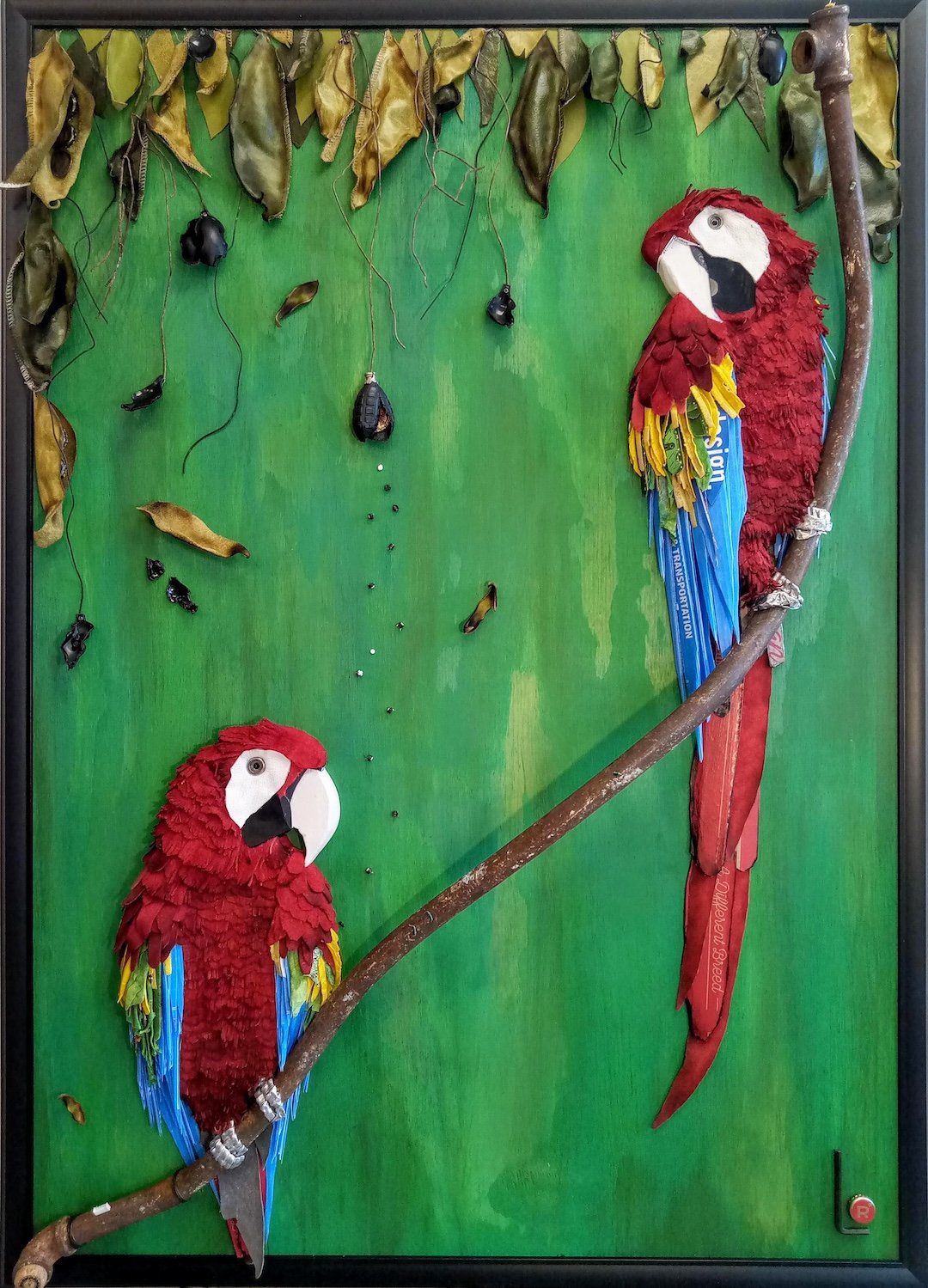
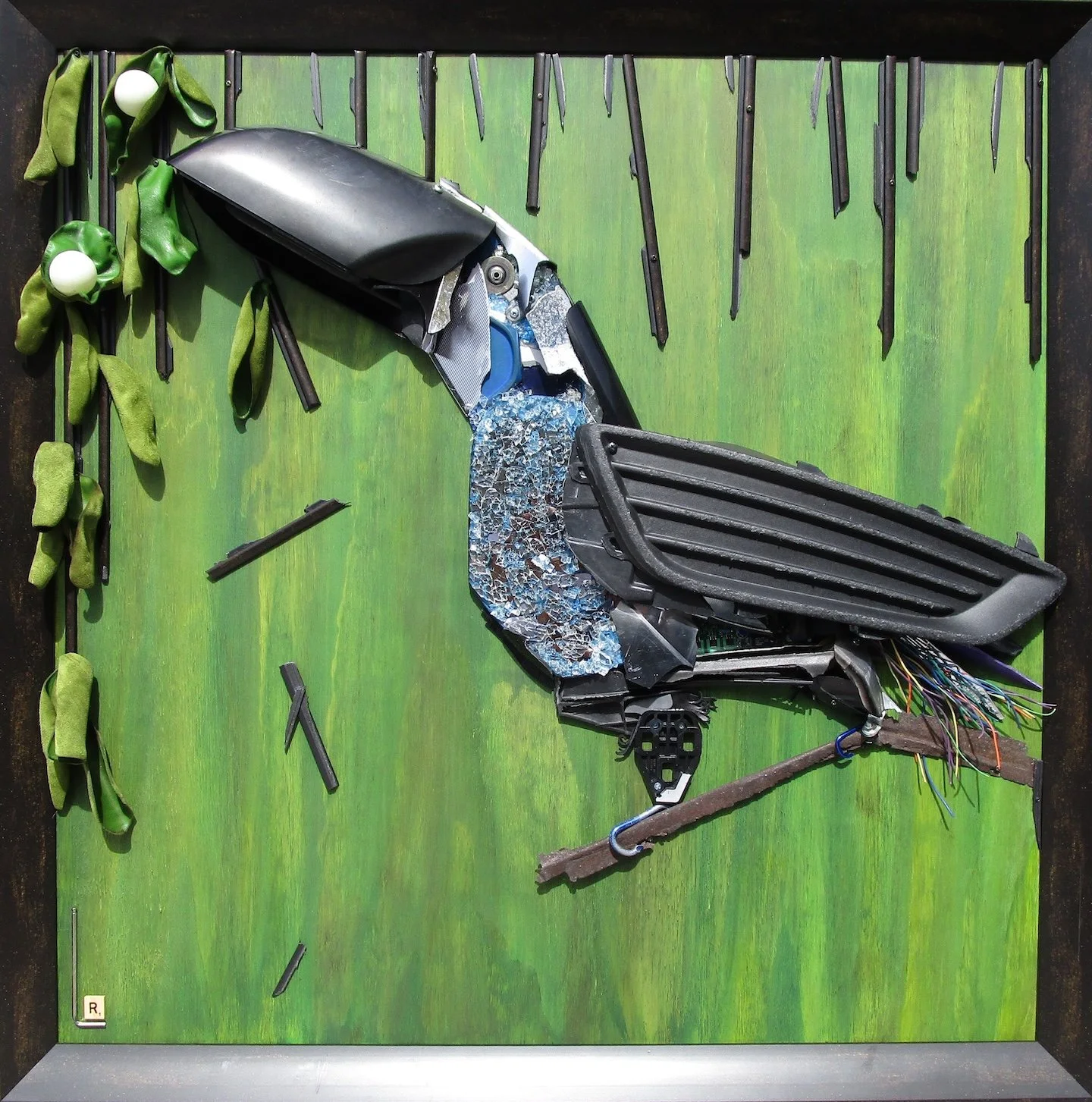
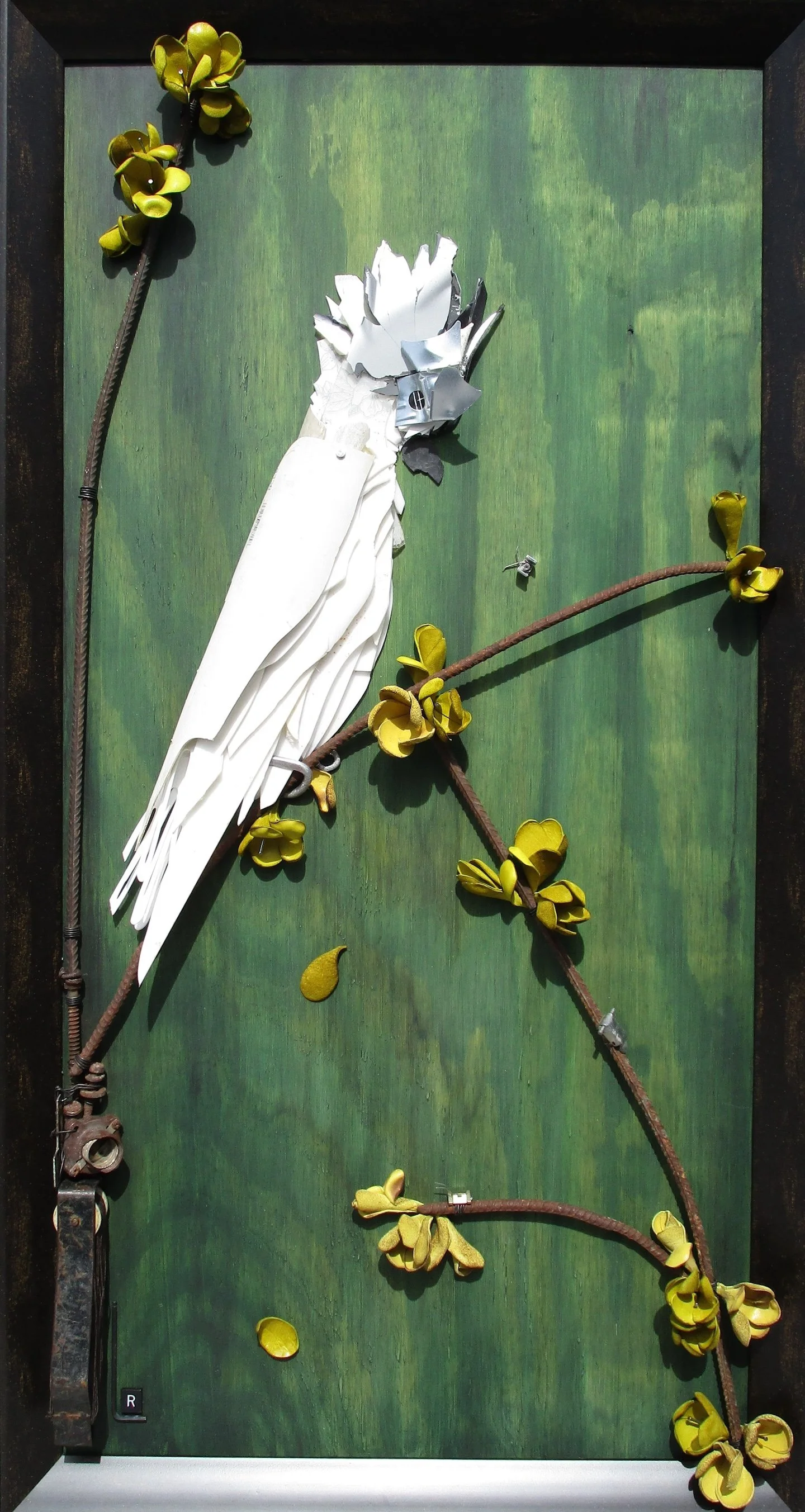
LR: I am known for two bodies of work. One is ARF & Soul, a collection of pen and ink drawings of dogs put in human situations, and the other is The Junkyard Birds, my found object mixed media work.
AAS: When I first learned about you, I saw some of your drawings from ARF & Soul and I just loved them. Tell me about Aitor Baas. I certainly now understand the inspiration for it.
ARF & Soul by Leon Roberson
LR: Thank You. I appreciate that. The dogs in ARF & Soul are anthropomorphic — meaning I give them human traits. For each, I imagine what they are thinking. It is something I always wonder about animals. Do they want to be like us? Do they want to do something else? And I give them a voice in these portraits to express that. That is why I call the series ARF & Soul. The dog communicates with the reader and interprets human life through their eyes. Each image comes with a short story, song, proverb, or quote. Some are cute, some quirky, others are serious, and many are philosophical. I write all the stories and songs. Each drawing is titled after a common idiom or an expression. That is usually my starting point. I am inspired by words, and the phrase is crafted into the image. There is a lot of research that goes into each one especially choosing the right dog for the right situation. I would say it is half art and half design. I do a "ruff draft” for each drawing, and it contains all the notes, secrets, and random thoughts behind each work.
Aitor Baas, the Doberman, TRY ME, 17” x 14”, ink on paper
In a way, Aitor Baas, the Dobermann became my “alter doggo.” The first dog I ever had was a Dobermann and his name was Joey. Dobermanns are of German ancestry and are sleek, powerful, and highly intelligent working dogs often used in police and search and rescue work. They are quite intimidating and yet very loyal. Aitor was a name that I discovered while I was working on this drawing, and I thought it was cool, and perfect for him. It is a Basque (Spanish) name that means “sons of good fathers” and BAAS is German for boss.
The pen and ink methods that I use in ARF & Soul represent what I said before about being resourceful. Use what you have and just try until you figure it out. I knew how to draw, but I did not know how to "add color" so to speak. I had no money to buy art supplies as a new airman in the military, but I had some old stamp pads salvaged from the office. I used those, along with some sponges, rags, cotton swabs, paper, and makeup applicators from friends and figured out how to blend and layer the stamp inks and create the work that you see today. ARF & Soul is created with archival stamp and gel ink.
In 2016, I left retail, and for a few years I was a full-time pet caretaker for a luxury in-home pet service in Dallas and focused on my art. It was a cool job visiting people's homes and walking their pets. The dog walks inspired both of my bodies of artwork, and I was able to self-publish ARF & Soul as an anthology and art book and attend some festivals and exhibitions. I was thrilled to receive the 5-star Reader’s Choice Seal for this book. There are 60 illustrations in the book and about 30 works, that I have not shared, that are completed for the next volume. The goal is 100 dogs. I have been working on volume two for many years, but life and work get in the way, so who knows when it will be completed.
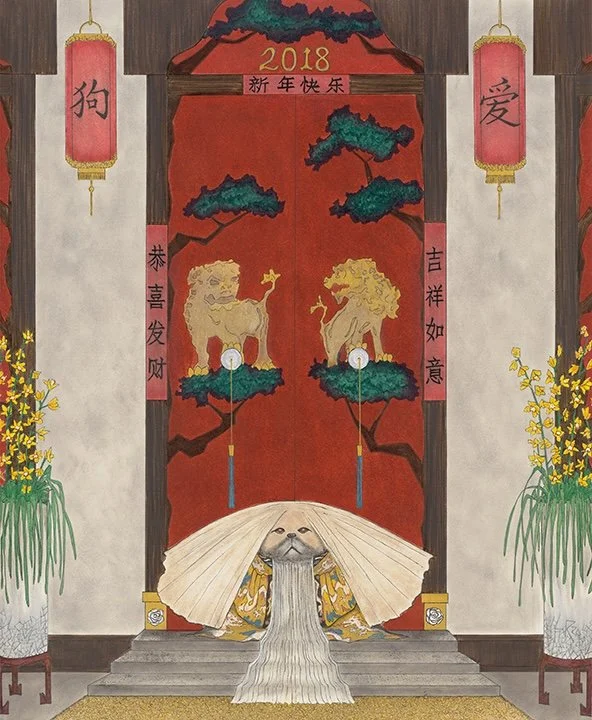
AAS: Tell me about The Junkyard Birds series and A Rare Find - Aida, the Tempered Oiseau. I love its simple elegance, which I guess is really what the series is about.
LR: Simple elegance was exactly what I was going for with Aida. I see The Junkyard Birds as an apocalyptic story on how life will evolve after humans no longer exist on Earth. Somehow nature finds a way to continue. The inspiration for The Junkyard Birds happened during a dog walk. I saw a bird play with a piece of plastic, then picked it up in its beak and flew off with it to build its condo in the sky. So, I thought I could build a bird with all the things I find during my dog walks? So, I did. Every bird created in this series is made from items found within one mile of my home and during a dog walk. After some cleaning, the items are used in their found form. The process is like a puzzle, in which the imperfect pieces fit in a serendipitous fashion.
The specimen names of these birds were inspired by the street they were found on, the materials used or the story that unfolds as they are created. The names of all the birds in this series begin with the letter A. The reason being that it is the letter that looks like a bird flying north.
A Rare Find, Aida, the Tempered Oiseau, 10” x 8”, mixed media and found objects on wood panel
Aida, The Tempered Oiseau is constructed with only 14 items: A pile of tempered glass, a plastic knife, an arm from a pair of glasses, a key, a cameo, a zipper, a gold metal leaf, a piece of a metal hook, two shards of plastic, a gold chain link, wire, velvet fabric, and text from a wrapper. The velvet fabric background on this one gives the suggestion of a carefully arranged jewelry drawer. The inspiration was the tempered glass I found in a parking lot. Someone’s car was broken into, and the evidence left behind looked a lot like gemstones. As tragic as it is, situations like this and car accident scenes are gold mines for the material that I use for the Junkyard Birds.
AAS: So now tell me about your work at the Arkansas Museum of Fine Arts.
LR: So, this is when I decided to go back into retail. I missed it. The thing people don't tell you about being a full-time pet caretaker is that not only are you part of all of the cute and cuddly times, but also the sad parts too. And I missed talking to people and expanding my mind, using my vocabulary. I felt like I was losing words, knowledge, and creativity caring for pets all day. So, when I saw a post for the Museum Store Assistant Manager for what was going to be known as AMFA, I applied. It sounded like my dream job. After all the time I have spent with a career in retail, the thing I have wanted to do was to create a store that celebrates art, design, and creativity. I got the job, and shortly after I became the Manager of Retail Operations. I had less than a year to create a unique museum store.
AAS: It is a beautiful store. What is your role as manager?
LR: Thank You. This is by far the smallest store that I have been responsible for with a size of around 1005 square feet, but the one that I have had the most ownership and direct impact with the decisions that are made. I am responsible for everything that you see in the store. I am the buyer, the merchandiser, and the store manager. I also create exclusive products for the AMFA brand, designed the branded packaging (including the shopping bag), and I also develop and manage the online store. I like to think of what I do there as my biggest and most important art project. Our guests will not see my personal artwork regularly, but they do see the store. The store impacts our guests on an emotional level every day. We have guests that come in from all over the globe, and we have also shipped all over the world. The AMFA brand has traveled everywhere.
AAS: What I admire about the AMFA Museum Store is that it keeps changing. There is always something new to see.
AMFA Museum Store
LR: Thank you for noticing that. Our guests have learned to expect that too. That is intentional. They may come in one month, and the next time - things look different! There is always something new coming in. So, if you see it and it speaks to you, buy it while you can. I like to keep things fresh and exciting for our guests; that is part of the reason for the changes.
The other reason is that when new items are placed, a domino effect is created. That item or product story may not look great or flow well next to the other, so things must move. It is like curating paintings in a gallery. The mission of the Museum Store is to celebrate the museum’s architecture, its natural surroundings, and its permanent collection. We have artists and vendors from all over the world, and the selections change with the seasons, hallmark holidays, and the many events that we have in the museum.
For exhibitions, I review the exhibition object list sent by the curators and find products that can complement and be suitable for the store. I look at the images and what is in those images. For example, Will Barnet: Seasons of Life is a current exhibition at AMFA, and we sell items that are in the images for each season. A record player, bubbles, parrot sculpture, art supplies, books, and of course the Will Barnet catalog are for sale. For the Nathalie Miebach: Under A Restless Sky exhibition, you will hear and see birds all over the store. This is because the theme of her installation discusses how birds and humans adapt to new habitats after extreme weather situations.
We have a lot of unique gifts and rare finds in the store. Over 22 Arkansas artists and more than 40 countries are represented on a rotating basis. We sell original art and most of our vendors, whether it be cards or other items that are "mass produced", still come from artists, and are handmade. And since we are more than a museum, with all of the events and activities we offer to the community, I am able to bring in an intentional and exciting range of items that are inspired and connected to AMFA's Windgate Art School, the Park Grill restaurant, our natural landscape, the Concert Series, Children's Theatre, social programs like Wednesday Spins, and more! The AMFA Art Market is the next big event on our calendar.
AAS: What do artists or vendors need to know to get their items in the Museum Store?
LR: First, visit the store to get an idea of how their art or product can fit in. It is like going to a job interview, doing some research beforehand to be able to connect your work to current or upcoming exhibitions will help. I look for a range of media and products, but an artist’s unique point of view and style is especially important. I would say all the artists selected for the store have a signature look, and products that I have sourced are unique in some way. I like to have things that can be exclusive to AMFA.
Second, have a strong cohesive collection of work. I know a lot of artists that do a lot of things, but when I decide to show a collection from them, I will need between 6 to 12 pieces that go together. Like a collection in a fashion show, they need to look like they are from the same artist and tell the same story. A range of sizes and prices is always a good idea. This would be the booth shot if an artist is submitting to the AMFA Art Market. Artists should be ready with hi-res photos, descriptions of their work, and price points.
Third, have a basic understanding of business. Retail has highs and lows, and certain seasons perform better than others. The right product, placement, and presentation are essential to success. Artists should be patient and open to feedback when changes are needed.
I have two Museum Store open calls yearly, usually in January and June. Artists and vendors can come in and share their work, along with the information that I mentioned. Also, the Museum Store website has information on how to submit work for consideration. Artists and vendors are welcome to submit work to shop@arkmfa.org with the information that I mentioned.
AAS: Tell me about the upcoming AMFA Art Market? Last year’s was outstanding!
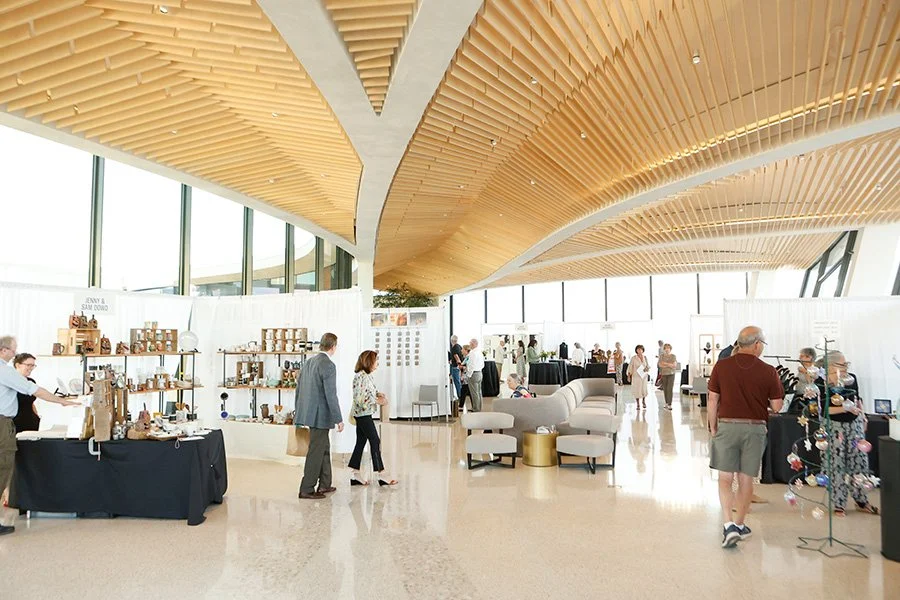
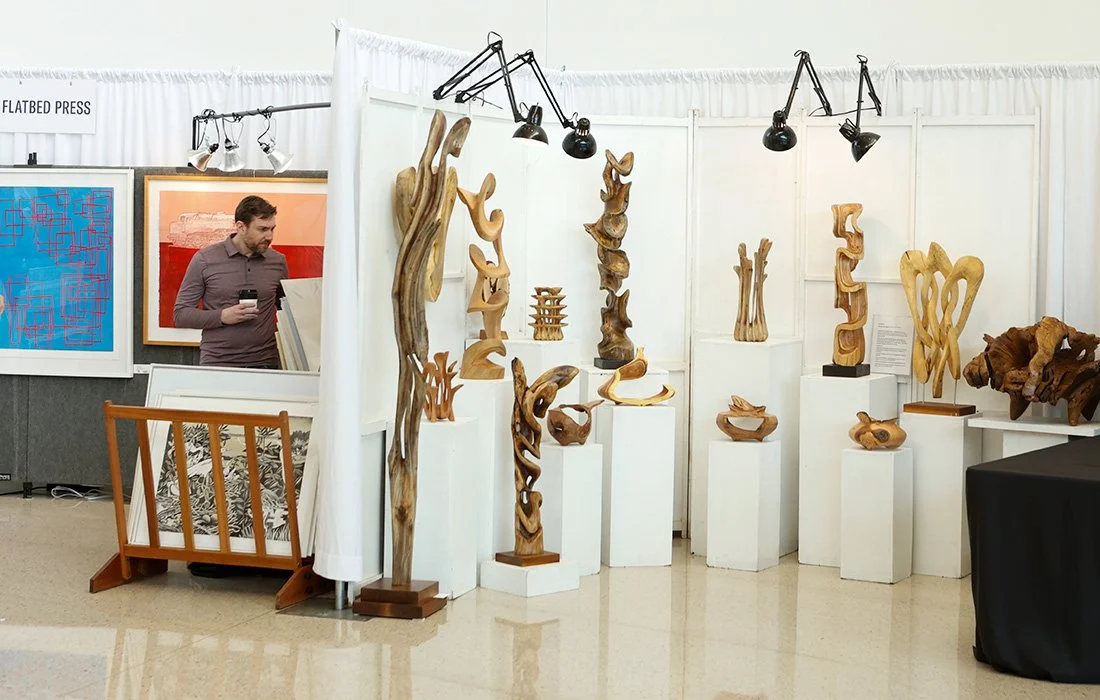
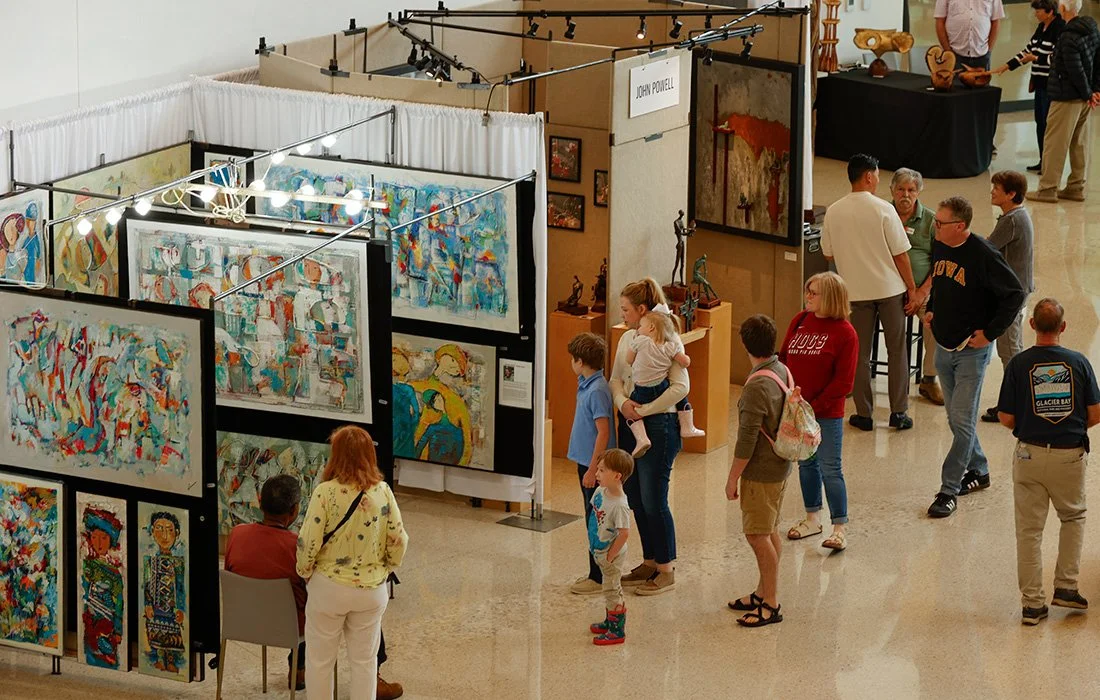
LR: I am so glad that you enjoyed it! In its second year, the Arkansas Museum of Fine Arts Art Market (AMFA Art Market) celebrates the institution's mission of creating an inclusive cultural space that inspires and builds community through the visual and performing arts. This market will highlight a variety of national artists whose work is dynamic, unique, and features artistic excellence. Fifty artists representing all media will be featured within the event spaces. It will be held Friday, September 11 through Sunday, September 13th. If you are an AMFA member, you can attend the special member-only day on Friday. You will get the first opportunity to view and purchase work directly from the artists. Then, Art Market is open to the public on Saturday and Sunday.
AAS: What do you think makes the AMFA Art Market different from other art festivals or fairs?
LR: We are the only museum featuring an exclusive indoor art market in the state of Arkansas, or in the region during the Fall. This is the only art market in Little Rock to exhibit works from independent galleries, professional artists, AMFA Windgate Art School instructors, and emerging artists in one space. The addition of emerging artists on the weekend will encourage guests to return to see work from new artists and refreshed collections from the juried artists. We also encourage learning about collecting and caring for your art with our Art Talks. This year, we have five Arkansas galleries and a local award-winning author that will share their knowledge and experience.
Forbes magazine hailed us as "the most inviting art museum", and we continue that honor by providing great service and a memorable experience for our Art Market artists and guests. The AMFA team is amazing, and everyone supports the museum's mission. We want the artists to consider us for future Art Markets and share their experience with others so that we can continue to grow. So, we want to make the experience memorable in a positive way. It is the most important thing.
AAS: Do you foresee any changes to the Art Market in near the future? Any expansion?
LR: Well, we grew by 11 booths, and the applications to enter more than doubled this year, making the selection process difficult for our two judges to narrow it down to just 50 spaces. Of course, we would love to have more art and artists, and we have some ideas on how to achieve that. Some have asked about expanding into MacArthur Park, and that is something we will evaluate. We want the AMFA Art Market to be an annual destination for our guests and artists. We want it to be a highlight for Little Rock, and to do so, we want to make sure we learn from these early years and make the best decisions for our growth.
Many of the artists in last year's Art Market traveled from other cities and states to share their work, and we want to assure that this is a value to them. For many, it was their first time in Little Rock, or Arkansas, and they were impressed by the museum, the city, and our beautiful state. So please visit and support them and their work. There is a lot of pride and sacrifice in what they do. A lot of failures, blood, sweat, tears, burned fingers, bruises, missed meals and sleepless nights waking up with self-doubt and imposter syndrome wondering "Why am I doing all of this?" And yet they thrive. When you buy a piece of their art, you are also taking home a piece of their soul. And it makes them smile because you believe in them. That is the best feeling ever.